









A Fairer Pathway to Settlement in the UK:
Explore the UK Home Secretary’s latest plan for a “fairer pathway to settlement,” including the shift from 5 to 10 years, new eligibility requirements, and what the changes mean for workers, families, NHS staff, refugees, and British society.

Introduction
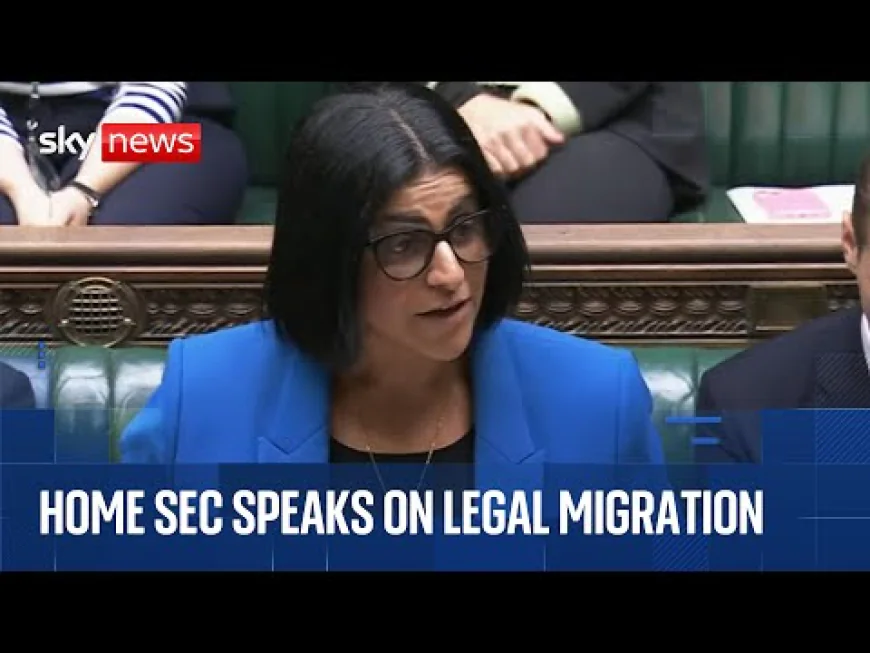
In a major update to UK immigration policy, the Home Secretary delivered a detailed statement in Parliament outlining a new, fairer, contribution-based pathway to settlement (ILR).
The reform—described as the biggest change to settlement rules in 40 years—aims to:
- Restore public confidence in immigration
- Reduce abuse of the system
- Reward contribution, not loopholes
- Ensure communities can cope with the pace of change
This blog breaks down the key points in simple, SEO-friendly language, explaining what migrants, employers, families, and the wider public need to know.
Key Takeaways from the New UK Settlement Policy
1. The Path to Settlement Will Increase from 5 Years to 10 Years
Settlement (Indefinite Leave to Remain) will no longer be automatic after 5 years.
Instead:
▶ The standard route becomes 10 years
This applies to most migrants currently in the UK who have not yet obtained ILR.
Why the change?
To ensure settlement is earned, not automatic, and to manage the extremely high migration figures recorded between 2021 and 2024.
2. New Mandatory Requirements for Settlement
To qualify under the new 10-year pathway, migrants must meet four core conditions:
✓ Clean criminal record
Any criminal history will be a disqualifying factor.
✓ English at A-Level standard
This is a higher requirement compared to the current B1/B2 levels.
✓ Sustained National Insurance contributions
Proof of stable, continuous employment.
✓ No outstanding debt in the UK
Financial responsibility will be factored in.
These rules aim to strengthen social cohesion and ensure contribution to British society.
3. Earn Settlement Faster Based on Skills, Contribution, or Public Service
The consultation proposes a flexible points-like model.
Possible accelerated routes:
|
Category |
Settlement Time |
|
Top-rate taxpayers |
3 years |
|
Higher-rate taxpayers |
5 years |
|
Public service workers (Doctors, Nurses, Teachers) |
5 years |
|
Degree-level English |
9 years |
|
Volunteers (subject to consultation) |
5–7 years |
|
Partners of British citizens |
5 years (unchanged) |
|
BNO (Hong Kong) holders |
5 years (unchanged) |
4. Penalties for Benefit Claimants or Illegal Routes
The new rules also propose longer settlement timelines for certain groups.
Delayed routes to settlement:
|
Category |
Settlement Time |
|
Benefits < 12 months |
15 years |
|
Benefits > 12 months |
20 years |
|
Illegal entrants |
Up to 30 years |
|
Refugees |
20 years (with potential earlier routes if switching to work/study visas) |
The goal is to encourage legal, skilled, and contribution-based migration.
5. The “Boris Wave” & Health and Care Visa Reforms
The Home Secretary highlighted that 616,000 people arrived on the health and care visa between 2022–2024, far above what the system expected.
Many brought dependents, and over half of arrivals were not working in the care sector.
As a result:
Low-skilled care visa holders (and their dependents) may face:
- A 15-year settlement requirement
- Stricter criteria going forward
Public service workers like nurses and doctors remain protected with a 5-year route.
6. No Changes for People Who Already Have ILR
A key reassurance:
✔ No existing ILR holder will lose their status.
✔ No retrospective punishment.
✔ No change for Windrush, EU Settlement Scheme, Hong Kong BNOs, or Ukrainians.
This protects families who have lived in the UK for decades.
7. Why the Government Says Change Is Necessary
The Home Secretary argued:
- Migration in recent years has been too high too quickly
- Communities feel destabilised
- Public confidence in the system has eroded
- Abuses of visa routes need to be addressed
- A fair system must demand contribution from those who want to settle permanently
She also stressed her own migrant background, saying:
“To settle in this country forever is not a right but a privilege, and it must be earned.”
8. Reaction From Other Political Parties
The debate included responses from Conservatives, Liberal Democrats, SNP, and Labour MPs.
Key themes raised:
- Need for certainty for NHS and social care workers
- Concerns about economic impact in Scotland and rural areas
- Support for fairness but caution about loopholes
- Questions about implementation timelines (changes expected from April 2026)
- Protection for survivors of domestic abuse
- Ensuring partners of British citizens are treated fairly
9. What These Changes Mean for Migrants, Employers & Communities
For Migrants
- Settlement will take longer unless they meet fast-track criteria.
- Stronger emphasis on English, contribution, and clean records.
- Those on public service roles may still benefit from a 5-year route.
For Employers
- Hiring high-skill talent becomes more appealing due to accelerated ILR.
- Care homes may need to prepare for stricter rules for dependents.
- Retention strategies for foreign staff will be more important.
For Communities
- The Government argues this will reduce pressure on housing, schools, and services.
- Safe and legal routes will be prioritised over irregular migration.
- Greater social cohesion expected through stricter integration standards.
10. When Will the Changes Start?
The consultation runs for 12 weeks, ending February 2026.
Implementation expected to begin:
📅 April 2026 onwards
Conclusion: A Major Reset of UK Immigration Policy
The UK government is proposing a much stricter but more flexible settlement system—one that:
- Rewards contribution
- Protects those already settled
- Discourages abuses
- Supports public services
- Reassures communities
- Simplifies integration standards
Whether you’re a migrant, employer, or policymaker, this reform marks a major moment in the UK’s immigration landscape.
What's Your Reaction?
 Like
0
Like
0
 Dislike
0
Dislike
0
 Love
0
Love
0
 Funny
0
Funny
0
 Angry
0
Angry
0
 Sad
0
Sad
0
 Wow
0
Wow
0